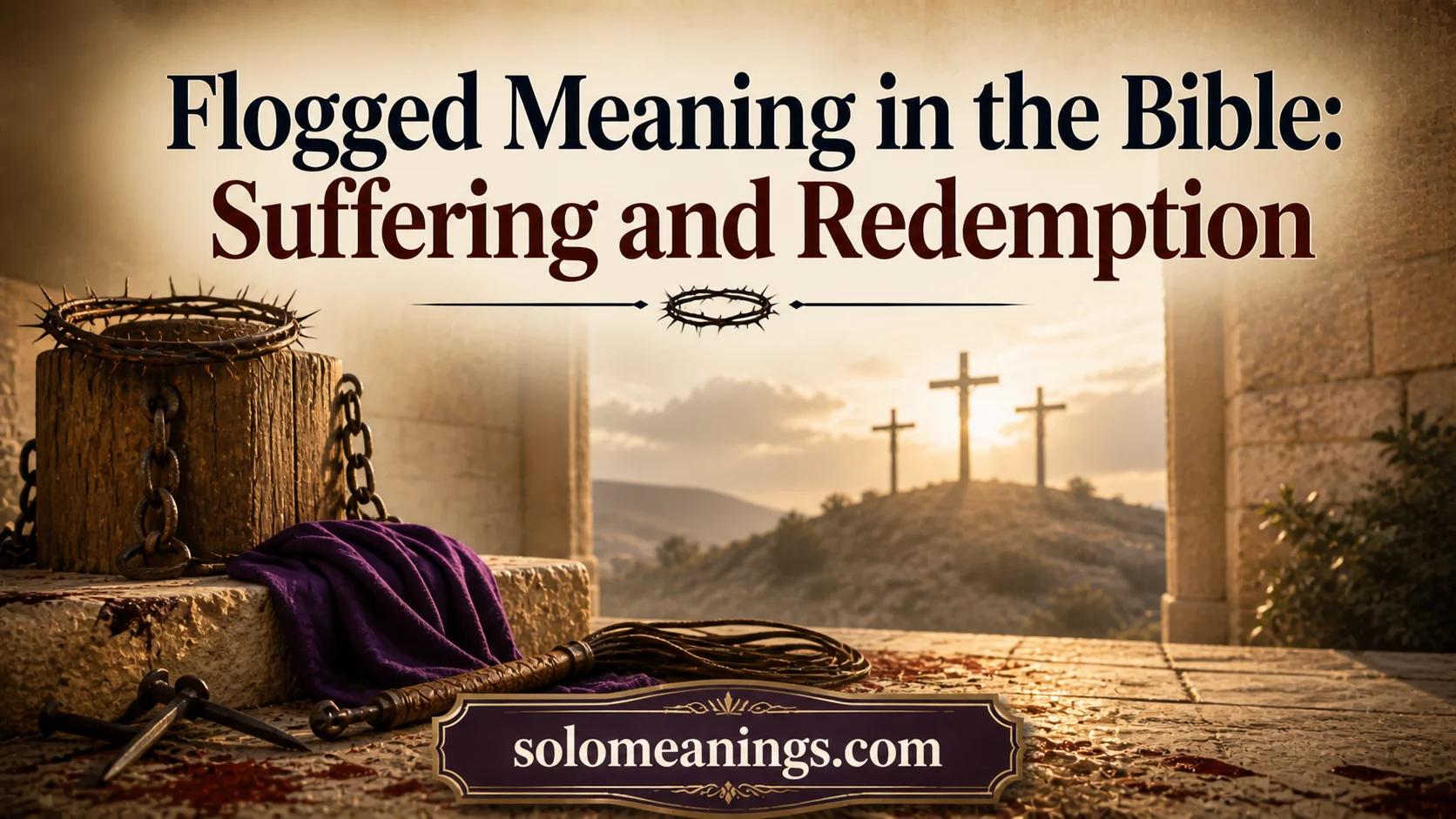
The word flogged sounds harsh because it is harsh. It points to one of the most painful punishments found in the ancient world. When readers search for Flogged Meaning in the Bible: Suffering, Sacrifice & Redemption, they are usually trying to understand why this violent act appears so often in sacred Scripture.
In the Bible, flogging was not just a physical beating. It became a symbol of humiliation, state power, discipline, injustice, and in the case of Jesus, sacrificial suffering. This one word opens a window into how ancient societies punished bodies and how biblical faith transformed pain into spiritual meaning.
For modern American readers, the term also raises emotional questions. Why would a holy text include such brutal scenes? And what are believers meant to learn from them today? The answer is deeper than punishment alone.
Quick Answer
Flogged Meaning in the Bible: Suffering, Sacrifice & Redemption symbolizes severe suffering under authority, public humiliation, and the possibility of spiritual victory through endurance. In American Christian understanding, the word is most strongly linked to Jesus’ sacrificial pain before crucifixion. More broadly, it represents injustice, discipline, and redemption born through suffering.
TL;DR
• Flogged means whipped or beaten as punishment.
• In Bible times, flogging was public and brutal.
• It symbolized shame, control, and bodily suffering.
• Jesus’ flogging gave the term redemptive meaning.
• Christians often connect it with sacrifice and mercy.
• Today it also represents enduring unjust pain faithfully.
What Does Flogged Mean in the Bible?
Before exploring symbolism, we need the literal meaning. The Bible uses flogging in both Jewish and Roman punishment settings.
Literal Definition of Flogged
To be flogged means:
to be severely whipped, lashed, or beaten with straps or cords as punishment.
This was not a mild correction. Ancient flogging often tore skin, caused bleeding, and left permanent scars.
Depending on the ruling authority, the instrument could include:
• Leather straps
• Knotted cords
• Rods
• Bone or metal fragments in Roman whips
So the word instantly carried terror.
Why the Term Feels So Heavy
Unlike imprisonment, flogging attacked dignity in public. The victim suffered physically while also being displayed as powerless.
That public shame matters greatly in biblical symbolism.
Historical Background of Flogging in the Ancient World
Flogging was common across many early civilizations. It existed long before the New Testament.
Ancient Near Eastern and Jewish Punishment
In ancient Israel, lashes were used as legal discipline for certain offenses. Deuteronomy placed limits on the number of blows to avoid total degradation.
This shows an important point: even ancient law recognized the danger of excessive cruelty.
Roman Flogging Was Far Worse
Roman scourging was infamous.
It was used to:
• Break prisoners before execution
• Force confessions
• Humiliate rebels
• Display imperial power
Roman flogging was often intentionally savage.
That is the form most readers imagine when they think of Jesus.
Why Flogging Appears So Often in Scripture
The Bible includes flogging because it was a normal part of legal and political life. However, biblical writers use it to reveal deeper truths.
Flogging as Punishment
Sometimes it appears simply as discipline under law.
Flogging as Persecution
At other times, faithful people are flogged because they refuse to compromise.
This changes the moral frame.
The victim is no longer merely punished. The victim becomes a witness.
Flogging as Injustice
Scripture also shows authorities abusing bodily punishment to maintain control.
Thus flogging can symbolize corrupted power.
Flogged Meaning in the Story of Jesus
This is the central Christian lens. No biblical flogging scene carries more emotional force than Christ before the cross.
Jesus Was Scourged by Roman Order
Before crucifixion, Jesus was whipped by Roman soldiers under Pilate’s authority.
This moment carried:
• Physical agony
• Mockery
• Blood loss
• Public stripping of dignity
It was punishment before punishment.
Why This Scene Matters Spiritually
Christians see Jesus’ flogging as:
• Innocence suffering under injustice
• Love accepting pain voluntarily
• A body broken before redemption unfolds
This gave the word flogged a sacred sorrow.
It became not only violence, but sacrifice.
Symbolism of Suffering, Sacrifice, and Redemption
This section explains why the article’s main phrase matters so deeply.
Suffering
Flogging represents pain that cannot be hidden. It is visible suffering.
Sacrifice
In Jesus’ case, believers understand the suffering as willingly borne for others.
Redemption
The Christian message then turns the image upside down: from humiliation to salvation.
This creates a three-layer symbolic arc:
• Pain endured
• Love demonstrated
• Meaning transformed
That is why this brutal word still appears in sermons and devotionals.
Flogging in American Christian Imagination
The USA has inherited much of its understanding through Easter preaching, films, and church art.
How Americans Commonly Picture It
Many American Christians associate flogging with:
• The Passion of Christ
• Crown of thorns imagery
• Blood before the cross
• Silent endurance
This creates a strong emotional link between bodily pain and divine mercy.
Meaning Table
| Biblical Context | Meaning in the USA | Emotional Association | Spiritual Note |
| Legal punishment | Harsh justice | Fear, authority | Human law can wound |
| Roman scourging | Extreme cruelty | Horror, sorrow | Abuse of power |
| Jesus’ suffering | Sacrificial love | Compassion, gratitude | Redemption through pain |
| Apostolic persecution | Faithfulness under attack | Courage | Endurance rewarded |
| Sermon symbolism | Trials in life | Hope amid pain | Suffering can refine |
Flogging as a Symbol of Public Shame
Physical pain was only one side. Flogging also stripped honor.
Ancient Honor Culture
In biblical societies, being beaten publicly meant social lowering. It told the crowd the victim had no power.
That social exposure added emotional trauma.
Why Shame Matters Spiritually
When Jesus was flogged publicly, Christians believe he entered not only bodily pain but human humiliation.
So the symbolism includes:
• Rejection
• Mockery
• Vulnerability
• Loss of status
This makes the scene deeply relatable to wounded people.
Emotional and Psychological Meaning of Flogged in Scripture
Readers often react strongly because flogging touches primal human fears.
It Represents Helplessness
A flogged person cannot defend themselves. They are pinned under authority.
That creates feelings of:
• Exposure
• Fear
• Injustice
• Powerlessness
Yet It Also Represents Endurance
Biblical narratives often show sufferers remaining faithful.
So the term also signals:
• Resilience
• Moral witness
• Survival through pain
That tension is powerful.
Modern Christian Use of the Word Flogged
Although people do not commonly use the term in daily speech, it still appears in spiritual language.
Sermons and Devotionals
Pastors use flogging scenes to discuss:
• The cost of grace
• Human cruelty
• Christ’s compassion
• Endurance during trials
Personal Testimony Language
Some believers metaphorically say they feel “flogged by life” during seasons of repeated hardship.
This shows the word has moved from literal punishment into symbolic suffering.
Also Read This: Halloween Meaning in the Bible: Truth and Peace
Common Misunderstandings About Biblical Flogging
Modern readers sometimes soften it too much or dramatize it inaccurately.
Misunderstanding One: It Was Just a Simple Whipping
No. Ancient scourging could be medically devastating.
Misunderstanding Two: It Only Means Punishment for Guilt
Not in Scripture. Innocent people, prophets, apostles, and Jesus himself also suffered flogging.
That means the word often points to unjust suffering, not deserved pain.
How the Meaning of Flogged Has Shifted Over Time
Language changes with culture.
Ancient Meaning
Originally, flogged meant literal bodily punishment under law.
Christian Theological Meaning
Later, it became tied to Christ’s Passion and sacrificial suffering.
Modern Symbolic Meaning
Now many readers hear:
• Deep hardship
• Unfair pain
• Emotional beating
• Spiritual perseverance
So the term has widened beyond physical lashes.
Flogged Compared to Other Biblical Suffering Terms
The Bible uses many pain words: afflicted, beaten, wounded, persecuted. Yet flogged feels especially intense.
Why Flogged Stands Apart
• Afflicted can be inward or outward
• Persecuted is broad
• Wounded may be accidental
• Flogged is deliberate inflicted pain
It carries human cruelty very clearly.
FAQs
What does flogged literally mean in the Bible?
It literally means whipped or severely beaten with lashes as punishment. This usually happened under legal or military authority.
Was Jesus flogged before crucifixion?
Yes. Roman soldiers scourged Jesus before he was led to the cross. This is one of the most central suffering scenes in Christian teaching.
Why is flogging spiritually important in Christianity?
Because it represents innocent suffering borne for redemption. Christians see it as part of Christ’s sacrificial love.
Was flogging common in biblical times?
Yes, very common. Jewish courts and Roman officials both used bodily lashes, though Roman methods were often much harsher.
Does flogged always mean punishment for wrongdoing?
No. In Scripture, righteous people also suffered flogging. So it can symbolize persecution and injustice.
Why does the Bible include such brutal imagery?
Because the Bible does not hide human cruelty. It shows suffering honestly while also exploring how faith survives it.
Conclusion
At its deepest level, Flogged Meaning in the Bible: Suffering, Sacrifice & Redemption is about more than a whip striking skin. It is about what happens when power wounds the vulnerable, when injustice becomes visible, and when suffering is carried without surrender.
Through the story of Jesus especially, flogging moved from being a symbol of shame to a symbol of sacrificial love and eventual redemption. That is why the word still stirs strong emotion in modern readers.
It reminds us that some of the Bible’s hardest images are also the ones that speak most clearly about mercy, endurance, and hope after pain.