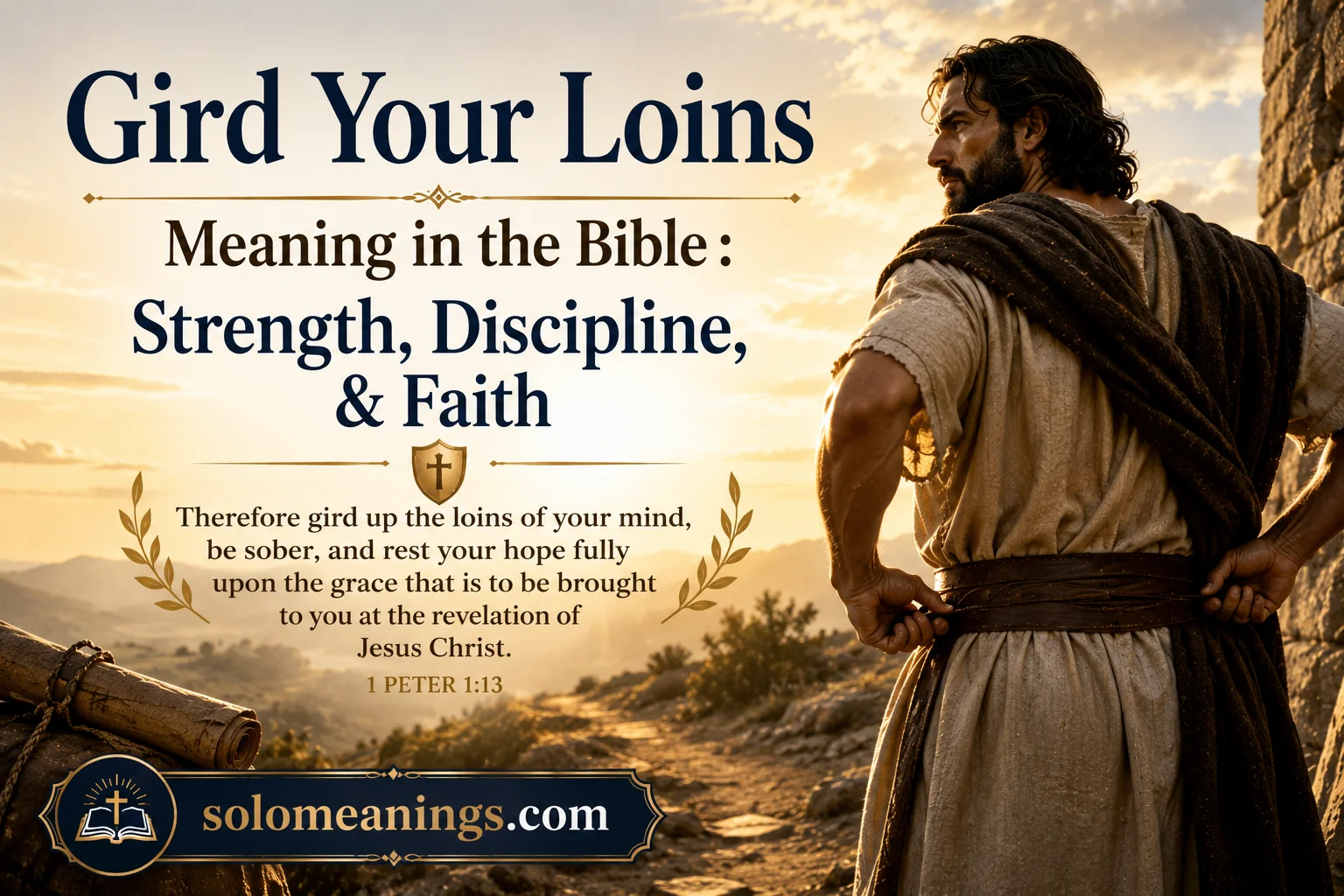
“Gird your loins” is one of the Bible’s most memorable phrases. Although it sounds unusual today, the expression carried deep meaning in ancient times. In the modern United States, people often use it humorously before a challenge. However, its original symbolism was serious and powerful.
The phrase appears throughout Scripture during moments of preparation, danger, leadership, and faith. Ancient people wore long robes that could slow movement. Before traveling, fighting, or working, they gathered the robe and tied it with a belt. This physical action became a symbol of mental readiness and spiritual discipline.
Today, many Americans still connect the phrase with courage, resilience, and determination. Because of its vivid imagery, “gird your loins” continues to appear in sermons, books, movies, motivational speeches, and social media posts.
Quick Answer
Gird Your Loins Meaning in the Bible : Strength, Discipline, & Faith symbolizes readiness for action, spiritual focus, and inner strength. In the United States, the phrase often represents preparing mentally and emotionally for challenges, while its biblical roots point to faith, obedience, and courage under pressure.
TL;DR
• Symbolizes readiness, discipline, and spiritual preparation
• Originated from tying up long ancient robes
• Common in biblical warfare, travel, and leadership imagery
• Associated with courage and self-control in American culture
• Still used in modern speech, media, and motivational language
• Represents action instead of fear or hesitation
What Does “Gird Your Loins” Mean?
The phrase may sound mysterious today, but its original meaning was practical. In biblical times, most people wore loose robes that reached the ankles. These garments were comfortable in hot climates but difficult for running or heavy work.
The Literal Meaning
To “gird your loins” meant gathering the robe between the legs and securing it with a belt. This created freedom of movement and prepared someone for action.
The “loins” referred to the waist and upper legs. In ancient cultures, this area symbolized strength, power, and physical energy.
Why the Phrase Matters
For American readers today, the phrase matters because it blends physical action with emotional readiness. The image suggests preparation before difficulty.
People often connect it with:
• Facing hardship bravely
• Preparing for spiritual growth
• Staying mentally disciplined
• Acting with confidence and purpose
• Standing firm during uncertainty
Historical Origins of the Phrase
The symbolism behind girding one’s loins stretches far beyond a single Bible verse. It developed from everyday survival in the ancient Middle East.
Ancient Clothing and Daily Life
Long robes were common across ancient Hebrew, Egyptian, Greek, and Mesopotamian societies. Workers, travelers, and soldiers needed mobility, especially in harsh climates.
Before intense activity, people tied their robes upward with a belt or sash. This action signaled immediate readiness.
Early Biblical References
One famous example appears in the Book of Exodus during the first Passover. Israelites were instructed to eat quickly with their loins girded, sandals on, and staffs ready. The symbolism reflected urgency and preparation for freedom.
Later biblical writers expanded the phrase into spiritual teaching.
Ancient Symbolism Beyond the Bible
Even before biblical usage, belts and girded clothing carried symbolic meanings in many ancient cultures.
• Warriors used belts as signs of honor
• Travelers girded garments before long journeys
• Priests wore sacred sashes during rituals
• Kings used belts as authority symbols
• Laborers girded robes before physical work
Because of this history, the image became larger than clothing alone. It eventually represented inner discipline and focused energy.
Gird Your Loins as a Symbol of Readiness
The strongest biblical meaning connected to the phrase is readiness. This readiness was physical, emotional, and spiritual.
Readiness for Action
In Scripture, people girded their loins before major turning points. The action showed they were alert and prepared.
For modern Americans, the phrase still carries that same emotional signal. It suggests getting serious before difficulty arrives.
Spiritual Vigilance
Many Christian teachers interpret the phrase as spiritual alertness. Instead of becoming distracted or fearful, believers were encouraged to stay grounded and faithful.
This symbolism remains popular in churches across the United States because it feels practical and motivational.
Common Symbolic Meanings
• Preparedness during uncertainty
• Discipline before responsibility
• Faith during hardship
• Mental focus under pressure
• Courage before change
• Strength through obedience
“Gird Up Your Loins” in the New Testament
The New Testament transformed the phrase into a deeper spiritual metaphor. Instead of focusing mainly on physical preparation, writers emphasized the mind and heart.
The Mind as a Battlefield
One famous verse encourages believers to “gird up the loins of your mind.” This image connected ancient clothing practices with disciplined thinking.
The symbolism suggested controlling fear, temptation, distraction, and panic.
The Armor of God
Another major image appears in discussions of spiritual armor. Belts symbolized truth and stability. Just as a physical belt secured clothing, truth was believed to secure spiritual identity.
Why Americans Still Relate to It
Modern American culture values resilience and self-discipline. Because of that, biblical phrases about preparation still resonate strongly.
People use the phrase when discussing:
• Career struggles
• Personal transformation
• Military courage
• Athletic competition
• Family responsibility
• Spiritual endurance
Symbolism in American Culture
In the United States, “gird your loins” evolved beyond church language. Today, it appears in both serious and humorous contexts.
From Scripture to Pop Culture
Movies, television, and social media often use the phrase before dramatic moments. Sometimes the tone is motivational. Other times, it’s playful sarcasm before a difficult task.
Even people unfamiliar with the Bible recognize its meaning instinctively.
Modern American Associations
| Context | Meaning in the USA | Common Associations | Notes |
| Church sermons | Spiritual readiness | Faith, discipline | Still widely used |
| Military language | Mental toughness | Courage, duty | Symbolic preparation |
| Social media | Humor before stress | Anxiety, determination | Often playful |
| Self-help culture | Personal resilience | Focus, grit | Motivational framing |
| Sports culture | Competitive readiness | Strength, endurance | Common metaphor |
Why the Phrase Endures
The phrase survives because it creates a vivid mental picture. Americans often prefer expressions that feel visual and active rather than abstract.
Spiritual Meaning of Girding Your Loins
Spiritually, the phrase points toward self-control and trust in God during uncertain moments.
A Symbol of Inner Discipline
In many Christian interpretations, girding your loins means preparing your thoughts and emotions before hardship arrives.
This symbolism encourages action rather than panic.
Faith Over Fear
The phrase also represents confidence rooted in faith. Biblical figures often prepared themselves before stepping into dangerous or uncertain situations.
For many believers today, the image symbolizes:
• Calmness during crisis
• Spiritual maturity
• Commitment to truth
• Strength through prayer
• Readiness to serve others
• Endurance through suffering
Emotional and Psychological Associations
The phrase carries strong emotional energy even outside religion. Psychologically, it signals determination before difficulty.
Why the Image Feels Powerful
Humans naturally connect preparation with survival. The act of tightening clothing before action triggers a sense of readiness and focus.
That’s one reason the phrase still feels emotionally effective today.
Psychological Themes
Modern readers often associate the phrase with:
• Mental resilience
• Confidence under stress
• Self-protection
• Discipline and structure
• Emotional steadiness
• Personal responsibility
The Archetype of Preparation
Across cultures, preparing clothing before action symbolizes transformation. Someone moves from passivity into purposeful action.
This ancient archetype still appears in movies, sports rituals, and motivational culture.
Cross-Cultural Meanings and Related Traditions
Although the phrase is strongly biblical, similar ideas appear worldwide.
Clothing as a Symbol of Readiness
Many cultures use clothing rituals to symbolize transition and preparation.
For example:
• Samurai tied armor before battle
• Roman soldiers fastened belts ceremonially
• Indigenous warriors prepared sacred garments
• Monks wore robes symbolizing discipline
• Travelers carried symbolic belts or sashes
Shared Human Symbolism
These traditions reveal a universal human idea: preparation changes identity. Before major action, people often perform symbolic physical acts.
Because of this, girding the loins became more than ancient fashion. It reflected emotional transformation.
Modern Usage in Media, Tattoos, and Social Identity
Today, the phrase appears in many surprising places across American culture.
Social Media and Humor
Online, people jokingly say “gird your loins” before stressful events like work meetings, family gatherings, or holiday shopping.
The dramatic wording makes ordinary stress feel theatrical and relatable.
Tattoos and Symbolic Identity
Although less common than crosses or Bible verses, some people choose tattoo designs inspired by biblical readiness and spiritual armor.
Popular themes include:
• Belts or armor imagery
• Warrior symbolism
• Scripture references
• Shields and swords
• Phrases about endurance
• Symbols of discipline
Fashion and Decorative Use
The imagery sometimes appears in Christian apparel, wall art, and motivational décor. It’s especially popular in faith-based communities focused on perseverance and spiritual growth.
Misunderstandings and Controversies
Like many old expressions, “gird your loins” sometimes creates confusion today.
Misunderstood Language
Modern audiences may interpret the phrase awkwardly because the word “loins” now carries different associations. Originally, however, it referred broadly to the waist and strength center of the body.
Overuse in Aggressive Messaging
Some critics argue the phrase can sound overly militant when used politically or culturally. In certain settings, people use it to encourage confrontation instead of wisdom.
However, traditional biblical meaning focused more on preparedness and discipline than aggression.
Important Distinctions
• Traditional meaning emphasized readiness, not violence
• Biblical symbolism focused on faith and responsibility
• Modern humor softened the phrase’s intensity
• Some interpretations became overly political
• Historical context helps prevent misunderstanding
How the Meaning Changed Over Time
The phrase evolved dramatically across centuries.
Ancient Era
Originally, it described a physical action required for work, travel, or battle.
Biblical Period
Later, it became symbolic of readiness, obedience, and spiritual vigilance.
Medieval and Early American Usage
Religious teachers used the phrase in sermons about morality and discipline. Early American Christians especially valued its connection to hard work and endurance.
Modern Era
Today, the phrase often mixes seriousness with humor. Americans may use it casually while still understanding its deeper meaning.
This shift shows how ancient symbols adapt instead of disappearing.
Why the Symbol Still Resonates Today
Many ancient biblical phrases faded from everyday speech. Yet “gird your loins” survived because its imagery remains emotionally clear.
A Universal Human Experience
Everyone faces moments requiring courage and preparation. The phrase captures that feeling perfectly.
A Symbol for Uncertain Times
Periods of social stress often revive older symbols of endurance. In recent years, many Americans have returned to language emphasizing resilience, discipline, and mental strength.
The phrase feels timeless because preparation never becomes outdated.
FAQs
What does “gird your loins” literally mean?
It literally meant tying up long robes with a belt for easier movement. Ancient people did this before work, travel, or battle.
What does girding your loins symbolize spiritually?
Spiritually, it symbolizes readiness, discipline, focus, and faith during difficult situations. Many believers connect it with emotional and spiritual strength.
Is “gird your loins” still used today?
Yes. Americans still use it in sermons, motivational speech, movies, and online humor. The phrase often means “prepare yourself.”
Why does the Bible use clothing imagery so often?
Ancient clothing carried strong symbolic meaning connected to identity, status, purity, and readiness. Everyday actions became spiritual metaphors.
Does the phrase have military symbolism?
Partly. Soldiers girded their robes before battle, so the phrase developed associations with courage and preparedness. However, its biblical meaning also includes faith and discipline.
Is “gird your loins” offensive or controversial?
Usually no. Still, some people misunderstand the phrase because modern meanings of “loins” changed over time. Context matters greatly.
Conclusion
The phrase Gird Your Loins Meaning in the Bible : Strength, Discipline, & Faith continues to resonate because it combines vivid imagery with timeless human emotions. What began as a practical action in the ancient world became a lasting symbol of courage, readiness, and spiritual focus.
In the United States, the phrase survives through religion, literature, humor, and motivational culture. People still connect deeply with symbols of preparation before hardship. Whether used seriously or playfully, “gird your loins” reminds modern readers that strength often begins with readiness.
Its enduring power comes from a simple truth: before facing life’s challenges, people want to feel prepared, grounded, and strong.