The word “fiat” may sound formal or unfamiliar today, yet it carries deep spiritual meaning in Christianity. In biblical discussions, fiat usually refers to a willing “yes” to God. The term became especially connected to Mary, the mother of Jesus, after her response to the angel Gabriel in the Gospel of Luke.
The phrase Fiat Meaning in the Bible: Faith That Surrenders to God reflects ideas of trust, obedience, humility, and acceptance of divine purpose. In American Christian culture, many believers see fiat as a symbol of surrendering personal control and trusting God’s direction even during uncertainty.
Although the Latin word “fiat” itself appears mainly through church tradition and translation history, the spiritual idea behind it remains central to biblical faith. Today, the concept appears in sermons, prayer journals, devotionals, tattoos, and social media discussions about spiritual growth and trust.
Quick Answer
Fiat Meaning in the Bible: Faith That Surrenders to God refers to a faithful and willing acceptance of God’s will. In Christianity, the word is strongly connected to Mary’s response to God, symbolizing trust, obedience, humility, and spiritual surrender.
TL;DR
• “Fiat” means “let it be done” in Latin.
• It symbolizes surrender and trust in God.
• Mary’s response to Gabriel inspired the concept.
• Christians connect fiat with obedience and faith.
• The idea remains powerful in American spirituality.
• Modern believers use it for personal spiritual growth.
What Does Fiat Mean in the Bible?
The word “fiat” comes from Latin and means “let it be done” or “let it happen.” In Christian tradition, it represents accepting God’s will willingly and faithfully.
Although many Americans recognize the word from the car brand, its religious meaning is much older and spiritually significant.
Mary’s Famous Fiat
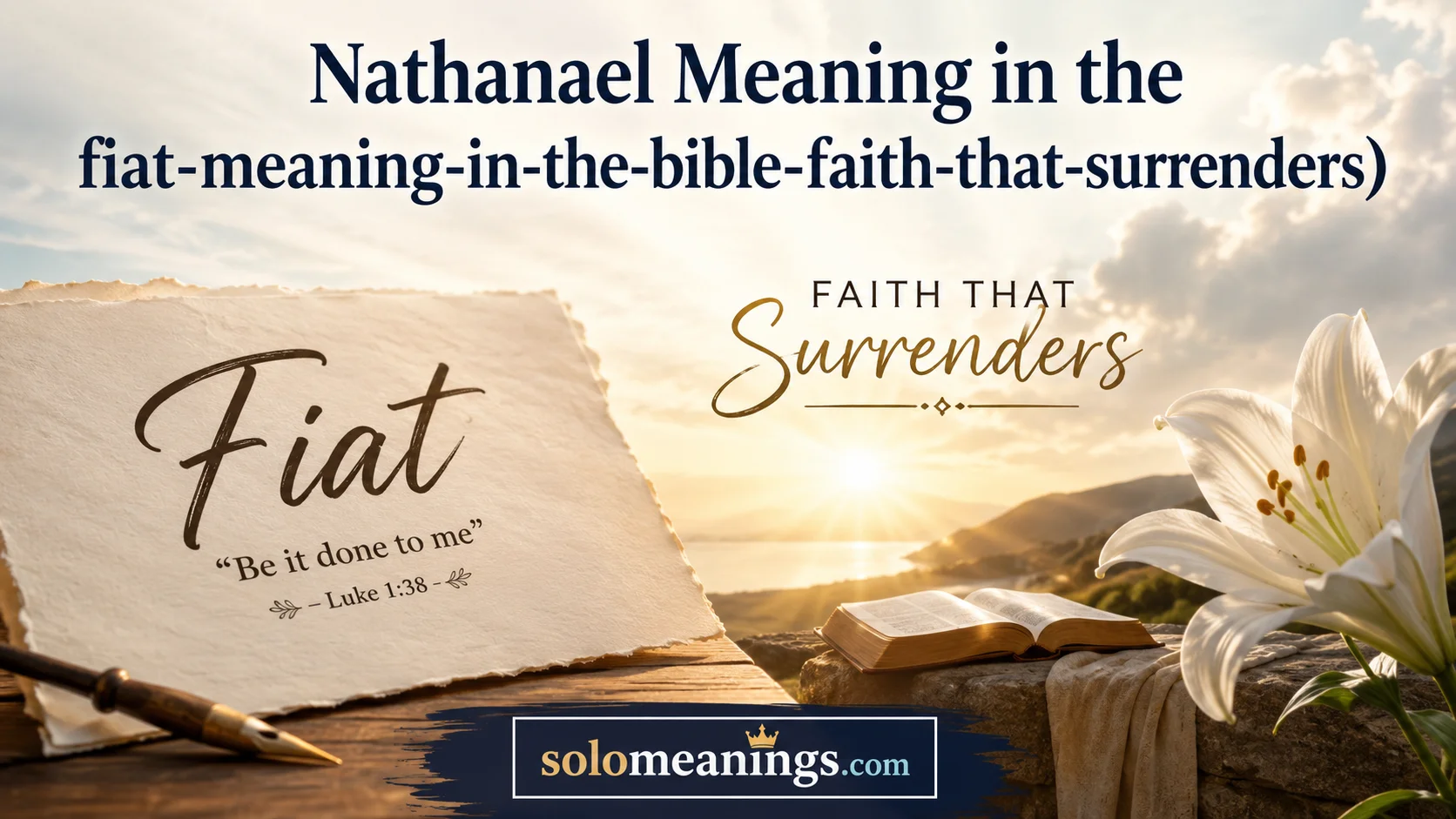
The biblical foundation comes from Luke 1:38. After the angel Gabriel tells Mary she will give birth to Jesus, she responds with humble acceptance.
Christians later called this response Mary’s “fiat.”
Why the Concept Matters
Fiat became one of Christianity’s strongest symbols of faithful surrender. Instead of resisting uncertainty, Mary accepted God’s plan with courage and trust.
• Fiat represents willingness to follow God.
• It reflects humility and spiritual openness.
• The concept centers on trust over control.
• Christians connect it with faithful obedience.
• Mary became the primary symbol of fiat.
The Biblical Story Behind Fiat
The story of fiat begins during the Annunciation, when the angel Gabriel visits Mary. This moment remains central in Christian theology and symbolism.
For American Christians, the story represents courage during uncertainty and faith during life-changing moments.
The Annunciation in Luke
According to the Gospel of Luke, Gabriel announces that Mary will give birth to Jesus through God’s power. Mary feels surprised and uncertain but ultimately accepts the message faithfully.
Her response became a lasting symbol of spiritual surrender.
Mary’s Response
Mary says, “Be it unto me according to thy word” in older translations. In Latin, this became “fiat mihi secundum verbum tuum.”
• Acceptance despite uncertainty.
• Faith without complete understanding.
• Humility before God’s purpose.
• Courage during major life change.
• Obedience rooted in trust.
Historical Origins of the Word Fiat
The religious meaning of fiat developed through centuries of Christian tradition. The Latin language played a major role in shaping its spiritual importance.
Today, many churches still use the term during prayers, teachings, and devotional reflections.
Latin and Church Tradition
Early Western Christianity used Latin widely in worship and scripture translation. Because of this, Mary’s response became known simply as “the fiat.”
Over time, the word symbolized faithful surrender across Christian spirituality.
Medieval Christian Symbolism
Medieval artists and theologians often portrayed Mary as the perfect example of obedience to God. Her fiat became associated with humility, purity, and grace.
• Latin deeply influenced Christian terminology.
• Fiat became shorthand for surrender to God.
• Christian art emphasized Mary’s obedience.
• The idea shaped centuries of devotion.
Fiat as a Symbol of Faith and Surrender
In American Christianity, fiat often symbolizes letting go of personal control. Many believers connect it with trusting God during difficult seasons.
This interpretation became especially popular in modern devotional culture.
Surrender Without Defeat
Biblical surrender differs from hopelessness. Instead, fiat represents active trust and willingness to follow divine guidance.
Many pastors describe it as faith in action.
Spiritual Lessons from Fiat
• Trusting God during uncertainty.
• Accepting life changes faithfully.
• Choosing obedience over fear.
• Remaining humble before God’s plan.
• Letting go of excessive control.
Fiat Meaning in American Christian Culture
In the United States, fiat appears in sermons, women’s ministries, prayer groups, and Christian books. The idea especially resonates during periods of personal struggle or transition.
Modern American spirituality often emphasizes personal surrender and emotional healing.
Fiat in Women’s Spirituality
Many Christian women connect deeply with Mary’s example. Her courage and trust became symbols of faithful motherhood, purpose, and resilience.
Modern Devotional Use
The term appears in prayer journals, podcasts, conferences, and inspirational social media content.
| Context | Meaning in the USA | Common Associations | Notes |
| Prayer life | Trusting God | Spiritual surrender | Common devotional theme |
| Women’s ministries | Mary’s example | Faith and courage | Widely discussed |
| Christian counseling | Letting go of control | Emotional healing | Modern application |
| Social media | Inspirational faith message | Hope and obedience | Popular among younger Christians |
| Tattoos and art | Personal surrender | Spiritual growth | Symbolic meaning |
Cross-Cultural and Spiritual Meanings
Although fiat comes from Christian tradition, the idea of surrender to divine will appears across many cultures and religions.
These similarities reveal how universal the theme of trust can be.
Shared Spiritual Themes
Many traditions value humility, obedience, and acceptance of sacred purpose. People across cultures often admire individuals who trust something greater than themselves.
Differences Between Traditions
Christian fiat focuses strongly on personal relationship with God and willing obedience rather than passive fate.
• Christianity emphasizes willing surrender.
• Some traditions stress harmony with destiny.
• Spiritual trust appears globally.
• Humility remains a shared value.
Emotional and Psychological Meaning of Fiat
Fiat carries powerful emotional meaning because surrender can feel both frightening and freeing. Many people struggle with uncertainty and fear of losing control.
Because of this, the concept speaks deeply to modern emotional life.
Why Surrender Feels Difficult
Humans naturally seek security and predictability. Trusting an unseen plan requires vulnerability and courage.
Mary’s response remains emotionally powerful because it reflects calm trust during uncertainty.
Common Emotional Associations
• Peace during difficult transitions.
• Courage under pressure.
• Emotional release and relief.
• Hope despite uncertainty.
• Humility and inner calm.
Fiat in Modern Media and Personal Identity
Today, fiat symbolism appears far beyond churches. It has become part of broader conversations about mindfulness, healing, and spiritual identity.
American culture increasingly values authenticity and emotional openness, making fiat especially relatable.
Tattoos and Symbolic Jewelry
Many believers wear jewelry or tattoos with the word “fiat” as reminders of faith and surrender.
• Symbol of trusting God’s plan.
• Reminder to release anxiety.
• Mark of spiritual identity.
• Expression of personal transformation.
Social Media and Digital Faith Culture
Christian creators on TikTok, Instagram, and YouTube often discuss fiat during conversations about anxiety, healing, and purpose.
This trend helped younger audiences rediscover older spiritual concepts.
Fiat and the Difference Between Surrender and Weakness
One common misunderstanding is assuming surrender means weakness or passivity. However, biblical fiat involves strength, courage, and intentional trust.
This distinction matters greatly in modern American culture.
Active Faith, Not Passive Defeat
Mary’s response required bravery because her future suddenly became uncertain. Her fiat involved action, faith, and resilience.
Why This Idea Resonates Today
Modern life often feels overwhelming and unpredictable. Because of this, many people find comfort in spiritual surrender without giving up personal responsibility.
• Surrender does not mean helplessness.
• Fiat requires courage and trust.
• Faith can coexist with uncertainty.
• Spiritual humility often strengthens resilience.
Fiat in Catholic and Protestant Traditions
Different Christian traditions emphasize fiat differently. Catholic teachings often focus strongly on Mary’s role, while Protestant churches may emphasize obedience and trust more generally.
However, both traditions value surrender to God.
Catholic Interpretation
Catholic spirituality frequently presents Mary as the model of faithful obedience. Her fiat holds major importance in prayer and theology.
Protestant Perspectives
Many Protestant churches discuss the principle of surrender without always using the Latin word itself.
• Catholics emphasize Mary’s example strongly.
• Protestants focus more on personal faith response.
• Both traditions value obedience and trust.
• The core symbolism remains similar.
How the Meaning of Fiat Changed Over Time
The meaning of fiat evolved from a theological phrase into a broader spiritual symbol. Ancient Christians mainly connected it to Mary and salvation history.
Modern believers often apply it personally to everyday struggles and decisions.
From Doctrine to Personal Reflection
Earlier generations focused on doctrinal meaning. Today, Christians often use fiat emotionally and practically during life challenges.
Modern American Interpretation
Current interpretations combine spiritual surrender with emotional healing and personal growth.
• Ancient focus centered on Mary’s obedience.
• Modern focus includes emotional resilience.
• Younger Christians value authenticity and vulnerability.
• Fiat now appears in self-reflection practices.
FAQs
What does fiat mean in Christianity?
Fiat means willingly accepting God’s will with trust and obedience. The concept is strongly linked to Mary’s response in Luke 1:38.
Is the word fiat actually in the Bible?
The Latin word appears through church translation tradition rather than original Hebrew or Greek scripture texts.
Why is Mary’s fiat important?
Christians believe her response showed complete trust in God despite uncertainty. It became a model of faithful surrender.
Does fiat mean giving up control?
Spiritually, fiat means trusting God rather than trying to control everything alone. It does not mean weakness or passivity.
Why do Christians use the word fiat today?
Many believers use it to describe prayerful surrender, trust during struggles, and openness to God’s direction.
What emotions are connected to fiat?
People often connect fiat with peace, humility, courage, hope, and emotional healing.
Conclusion
The idea of fiat continues to inspire Christians because it speaks to one of humanity’s deepest struggles: learning to trust during uncertainty. Rooted in Mary’s response to God, the concept became a lasting symbol of obedience, humility, and courageous faith.
For many believers in the United States, Fiat Meaning in the Bible: Faith That Surrenders to God represents more than theology alone. It reflects the daily challenge of releasing fear, accepting change, and trusting a greater purpose.
In today’s fast-moving world, fiat remains a gentle reminder that faith sometimes begins with a simple and willing “yes.”