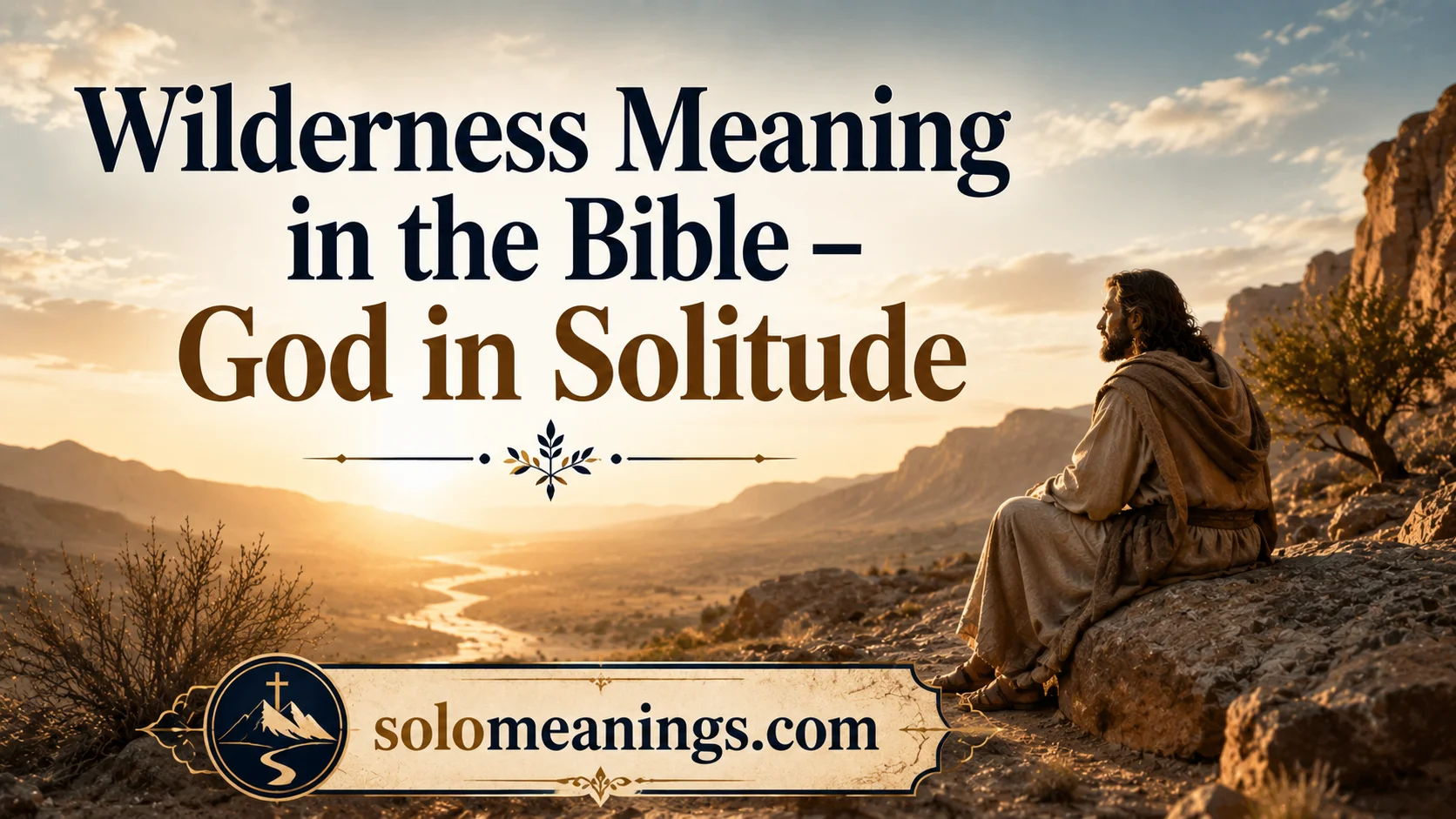
The wilderness is one of the Bible’s most powerful spiritual symbols. Throughout Scripture, it represents isolation, testing, transformation, and divine encounter. People in the Bible often entered the wilderness during moments of uncertainty, grief, spiritual searching, or preparation for a greater purpose.
Today, many Americans connect the wilderness with personal growth, silence, healing, and emotional renewal. The idea appears not only in religion but also in literature, mental health discussions, outdoor culture, and modern spirituality. Because modern life feels noisy and fast, the biblical image of stepping into solitude still deeply resonates with people across the United States.
The wilderness is more than an empty desert. In biblical symbolism, it becomes a sacred space where distractions disappear and deeper truths emerge. That’s why the symbol continues to influence faith communities, storytelling, self-discovery movements, and modern American culture.
Quick Answer
Wilderness Meaning in the Bible: Encountering God in Solitude symbolizes spiritual testing, personal transformation, and meeting God away from distractions. In the United States, many people view the wilderness as a symbol of healing, reflection, resilience, and spiritual renewal.
TL;DR
• The wilderness symbolizes testing, growth, and spiritual transformation.
• Biblical figures often met God in isolated places.
• Americans connect wilderness with healing and self-discovery.
• Desert imagery represents solitude and emotional clarity.
• Modern culture links wilderness to mental and spiritual renewal.
• The symbol has evolved from danger to personal transformation.
Overview of Wilderness Symbolism in the Bible
In the Bible, the wilderness usually refers to deserts, remote lands, mountains, or isolated places far from cities and comfort. These places often seemed dangerous, empty, and unpredictable.
However, biblical writers also portrayed the wilderness as holy ground. It became a place where people faced fear, discovered truth, and experienced God in powerful ways.
What Does the Wilderness Symbolize?
The wilderness symbolizes both struggle and spiritual growth. It often marks a transition between an old life and a new purpose.
Common symbolic meanings include:
• Spiritual testing and endurance
• Solitude and reflection
• Dependence on God
• Emotional purification
• Transformation through hardship
• Freedom from distractions
• Preparation for a new season
Why the Symbol Still Matters
Modern Americans often feel emotionally exhausted by noise, technology, and constant pressure. Because of this, the wilderness symbol feels surprisingly relevant today.
For many people, the wilderness represents a mental or spiritual reset rather than a literal desert.
Historical Background of Wilderness in the Bible
The wilderness carried strong meaning in ancient Middle Eastern cultures long before Christianity. Deserts were dangerous places filled with uncertainty, scarcity, and survival challenges.
Because life depended on water and fertile land, wilderness regions symbolized both danger and spiritual mystery.
Ancient Cultural Meaning
Ancient societies often viewed wilderness spaces as:
• Untamed and unpredictable
• Places of spiritual testing
• Regions connected to divine encounters
• Areas beyond civilization and control
• Locations associated with survival and humility
These ideas strongly influenced biblical storytelling.
Wilderness in the Old Testament
The Old Testament repeatedly uses wilderness journeys as turning points. The Israelites wandered in the desert for forty years after leaving Egypt.
This period symbolized:
• Spiritual dependence on God
• Testing of faith and obedience
• National identity formation
• Transformation from slavery to freedom
The wilderness became a place of both struggle and divine provision.
Moses and the Wilderness Experience
Moses is one of the Bible’s clearest wilderness figures. Much of his story unfolds in remote desert regions far from royal power and comfort.
For American readers today, Moses symbolizes leadership shaped through solitude and hardship.
The Burning Bush Encounter
One of the Bible’s most famous wilderness moments occurs when Moses encounters God through the burning bush.
This scene symbolizes:
• Divine revelation in lonely places
• Sacred moments during ordinary life
• Transformation through spiritual awakening
• Calling and purpose emerging from isolation
Leadership Through Solitude
Before leading Israel, Moses spent years in wilderness exile. This long period shaped his humility, patience, and spiritual maturity.
Today, many people connect this idea with personal growth during difficult seasons.
Jesus in the Wilderness
The wilderness plays a major role in the New Testament as well. Before beginning his public ministry, Jesus spent forty days fasting in the wilderness.
This story remains deeply symbolic in Christian teaching and American spiritual culture.
Testing and Temptation
The wilderness symbolizes spiritual struggle and inner testing. During his isolation, Jesus faced temptation while remaining faithful to his mission.
Important symbolic themes include:
• Inner conflict and self-control
• Spiritual preparation
• Victory over temptation
• Strength developed through hardship
Why This Story Resonates Today
Many Americans see the story as a metaphor for emotional battles, burnout, loneliness, or life transitions.
Because of this, wilderness imagery often appears in recovery programs, counseling discussions, and inspirational teaching.
Wilderness Symbolism in American Culture
In the United States, wilderness symbolism extends far beyond religion. American culture has long connected wilderness with freedom, independence, exploration, and self-discovery.
The idea became especially important during westward expansion and the rise of outdoor culture.
American Views of Wilderness
Today, wilderness often symbolizes:
• Personal freedom
• Emotional healing
• Escape from modern stress
• Independence and resilience
• Spiritual reflection
• Connection with nature
National Identity and Frontier Culture
American history romanticized wilderness landscapes through stories of pioneers, explorers, and survival. Mountains, forests, and deserts became symbols of courage and possibility.
This cultural influence still shapes movies, books, and outdoor lifestyles today.
Emotional and Psychological Meaning
The wilderness also carries deep emotional symbolism. Psychologically, it often represents loneliness, uncertainty, and inner searching.
However, it can also symbolize healing and self-discovery.
Common Emotional Associations
People often connect wilderness experiences with:
| Context | Meaning in the USA | Common Associations | Notes |
| Spiritual Growth | Seeking clarity | Prayer, reflection | Common in faith communities |
| Emotional Healing | Processing pain | Solitude, silence | Linked to therapy and wellness |
| Life Transitions | Moving into change | Uncertainty, growth | Often symbolic in storytelling |
| Nature Culture | Escaping pressure | Hiking, camping | Strong American connection |
| Personal Identity | Self-discovery | Independence | Popular in modern spirituality |
The Psychology of Solitude
Modern psychology increasingly recognizes the value of healthy solitude. Quiet spaces can help people process emotions and reconnect with personal values.
Because of this, wilderness symbolism often appears in discussions about mindfulness and emotional healing.
Spiritual Meaning Across Cultures
Although wilderness symbolism is strongly biblical, many cultures connect isolated natural spaces with spiritual transformation.
Different traditions interpret the idea in unique ways.
Christian Spiritual Meaning
In Christianity, the wilderness often symbolizes:
• Preparation before purpose
• Trust during uncertainty
• Spiritual testing and growth
• Encountering God without distractions
Many believers see wilderness seasons as necessary for deeper faith.
Similar Ideas in Other Traditions
Other spiritual traditions also value solitude in nature:
• Buddhism connects solitude with meditation and enlightenment
• Indigenous traditions often honor nature as spiritually sacred
• Hindu traditions sometimes emphasize isolation for spiritual discipline
• Islamic spirituality includes retreat and reflection practices
However, meanings vary across cultures and beliefs.
Wilderness in Modern Media and Pop Culture
Wilderness symbolism appears constantly in American entertainment and storytelling. Characters often retreat into nature during emotional crises or personal transformation.
This modern usage keeps the biblical symbolism alive even outside religion.
Common Modern Themes
Popular stories often include:
• Characters finding clarity in isolation
• Emotional healing through nature
• Survival leading to transformation
• Escaping society to rediscover identity
Social Media and Wellness Culture
Today, wilderness imagery appears heavily in wellness culture online. Mountains, forests, deserts, and cabins symbolize peace and authenticity.
People often use wilderness aesthetics to express:
• Simplicity and balance
• Freedom from pressure
• Emotional reset
• Spiritual calm
Also Read This: Long Suffering Meaning in the Bible: Godly Patience Explained
Wilderness in Tattoos and Art
Wilderness symbolism has also become popular in tattoos, home decor, and visual art across the United States.
Most modern designs focus on resilience, adventure, and spiritual reflection.
Common Wilderness Tattoo Symbols
Popular imagery includes:
• Mountains representing endurance
• Pine trees symbolizing resilience
• Desert roads representing journeys
• Wolves symbolizing independence
• Sunrise imagery representing renewal
• Rivers symbolizing spiritual movement
Artistic Symbolism
In art and photography, wilderness scenes often communicate emotional depth and personal freedom.
Common visual themes include:
• Empty deserts and open skies
• Lonely cabins in forests
• Long roads through mountains
• Campfires and stars
Misunderstandings and Controversies
Although wilderness symbolism is usually positive today, historical attitudes toward wilderness were often more fearful.
Over time, the meaning shifted dramatically.
Older Negative Associations
Historically, wilderness symbolized:
• Danger and chaos
• Isolation from civilization
• Fear and vulnerability
• Spiritual temptation
Many ancient people viewed wilderness as threatening and unsafe.
Modern Romanticization
Today, modern culture sometimes romanticizes isolation without recognizing real emotional or physical risks.
Healthy solitude differs from unhealthy isolation. Therefore, modern discussions often emphasize balance and community support.
How Wilderness Meaning Changed Over Time
The symbolism of wilderness has evolved across centuries. Ancient societies mainly viewed wilderness as dangerous and uncivilized.
Modern Americans often see it as peaceful and spiritually healing instead.
Historical Shifts
Older interpretations focused on:
• Survival and danger
• Spiritual testing
• Dependence on divine protection
Modern Interpretations
Today, wilderness often symbolizes:
• Mental clarity
• Emotional healing
• Escaping overstimulation
• Personal reinvention
• Spiritual renewal
This shift reflects changing attitudes toward nature and personal identity.
Why Wilderness Symbolism Still Matters Today
Modern life rarely allows true silence. Phones, media, and social pressure constantly demand attention. Because of this, the wilderness remains a powerful symbol of slowing down and reconnecting with deeper meaning.
For many Americans, the symbol represents hope during uncertain seasons.
Lessons Modern Readers Take From Wilderness Stories
Common lessons include:
• Growth often happens during uncomfortable seasons
• Solitude can reveal important truths
• Hardship may prepare people for change
• Silence sometimes brings emotional clarity
• Nature can support reflection and healing
FAQs
What does wilderness mean in the Bible?
In the Bible, wilderness symbolizes testing, solitude, spiritual growth, and encounters with God. It often represents transformation during difficult seasons.
Why did biblical figures go into the wilderness?
Many biblical figures entered wilderness spaces for preparation, prayer, testing, or spiritual renewal. These isolated places removed distractions and encouraged dependence on God.
Is wilderness symbolism positive or negative?
It can represent both struggle and growth. In biblical symbolism, wilderness often begins with hardship but leads to transformation and deeper faith.
Why is wilderness important in American culture?
American culture connects wilderness with freedom, exploration, healing, and self-discovery. Nature also plays a major role in national identity and outdoor traditions.
What does the desert symbolize spiritually?
Spiritually, deserts often symbolize testing, purification, reflection, and emotional honesty. They can also represent spiritual renewal after hardship.
How is wilderness used in modern spirituality?
Modern spirituality often uses wilderness symbolism to describe emotional healing, mindfulness, solitude, and reconnecting with purpose.
Conclusion
The biblical symbol behind Wilderness Meaning in the Bible: Encountering God in Solitude continues to resonate because it reflects universal human experiences. People still face seasons of uncertainty, loneliness, searching, and transformation. The wilderness symbolizes those difficult yet meaningful journeys.
Across American culture, the wilderness now represents more than survival. It symbolizes healing, reflection, resilience, and personal growth. Whether viewed spiritually, emotionally, or culturally, the wilderness remains a timeless reminder that solitude can sometimes become the place where clarity, purpose, and renewal begin.