Meekness is one of the most misunderstood virtues in the Bible, often confused with weakness, timidity, or a lack of confidence. However, biblical meekness carries a far deeper and more powerful meaning. It describes a person who possesses inner strength, self-control, and a humble spirit that is fully surrendered to God’s will. Rather than being passive, a meek individual chooses to respond with wisdom, patience, and grace even when faced with challenges. The Bible presents meekness as a quality that reflects true spiritual maturity and unwavering trust in God’s guidance.
Throughout Scripture, many faithful servants of God demonstrated remarkable meekness while carrying significant responsibilities and authority. Moses, for example, was called one of the meekest men on earth, yet he boldly led the people of Israel through difficult circumstances. Likewise, Jesus Christ perfectly embodied meekness by combining divine power, humility, and complete obedience to the Father. These examples show that meekness is not the absence of strength but rather the disciplined use of strength under God’s control. It enables believers to remain calm, compassionate, and faithful even in moments of pressure.
Understanding the meaning of meekness in the Bible can transform how Christians approach their daily lives and relationships. In a world that often celebrates aggression, pride, and self-promotion, the Bible encourages believers to cultivate humility, gentleness, and dependence on God. Meekness allows individuals to exercise self-restraint, seek peace, and trust God’s timing instead of forcing their own desires. As a fruit of genuine faith, meekness demonstrates a heart that is strong enough to submit to God’s authority while treating others with kindness, respect, and Christlike love.
Quick Answer
The Meaning of Meekness in the Bible: Strength Under God’s Control symbolizes humble strength, self-control, and trust in God’s guidance. In the United States, it is commonly understood as choosing patience and wisdom over pride or aggression. More broadly, it represents power directed by faith, compassion, and moral character.
TL;DR
• Meekness means strength controlled by wisdom and faith.
• It does not mean weakness or fearfulness.
• Jesus is the primary biblical example of meekness.
• Americans often associate it with humility and leadership.
• Meekness reflects trust in God rather than self-reliance.
• Its symbolism remains relevant in modern life and culture.
What Is Meekness in the Bible?
This section explains the basic meaning of meekness and why it remains important for many readers today. Understanding its original meaning helps avoid common misunderstandings.
A Biblical Definition
In Scripture, meekness refers to a gentle and humble attitude rooted in strength. A meek person can act decisively but chooses restraint when appropriate.
Rather than seeking control over others, a meek person seeks alignment with God’s will.
Key Characteristics of Meekness
• Humility without self-hatred
• Strength without aggression
• Confidence without arrogance
• Patience during challenges
• Respect toward others
• Trust in divine guidance
The Symbolism of Strength Under Control
The central symbol behind meekness is controlled power. This symbolism appears throughout biblical teachings and continues to influence Christian thought.
Power Guided by Wisdom
A common illustration describes meekness as a powerful horse trained to obey its rider. The horse remains strong, but its strength is disciplined.
Similarly, biblical meekness symbolizes human strength directed toward good purposes.
What Meekness Symbolizes
• Self-mastery over impulse
• Courage without violence
• Authority with compassion
• Discipline over emotional reactions
• Faith during uncertainty
• Calmness amid conflict
Historical Origins of Meekness
To understand modern interpretations, it helps to explore where the concept originated and how it developed over time.
Ancient Hebrew Foundations
In the Old Testament, meekness was connected with humility before God. Ancient Hebrew culture often praised those who relied on divine guidance rather than personal pride.
Figures such as Moses were described using terms associated with humility and gentleness.
Influence of Ancient Traditions
Many ancient societies admired courage and strength. The Bible introduced a different emphasis by praising those who balanced strength with humility.
This shift helped shape later religious and cultural understandings of virtue.
Meekness in the Teachings of Jesus
For many Christians, Jesus represents the clearest example of meekness.
The Beatitudes
One of the most famous biblical references appears in the Sermon on the Mount:
“Blessed are the meek, for they shall inherit the earth.”
This teaching transformed how many people viewed power and success.
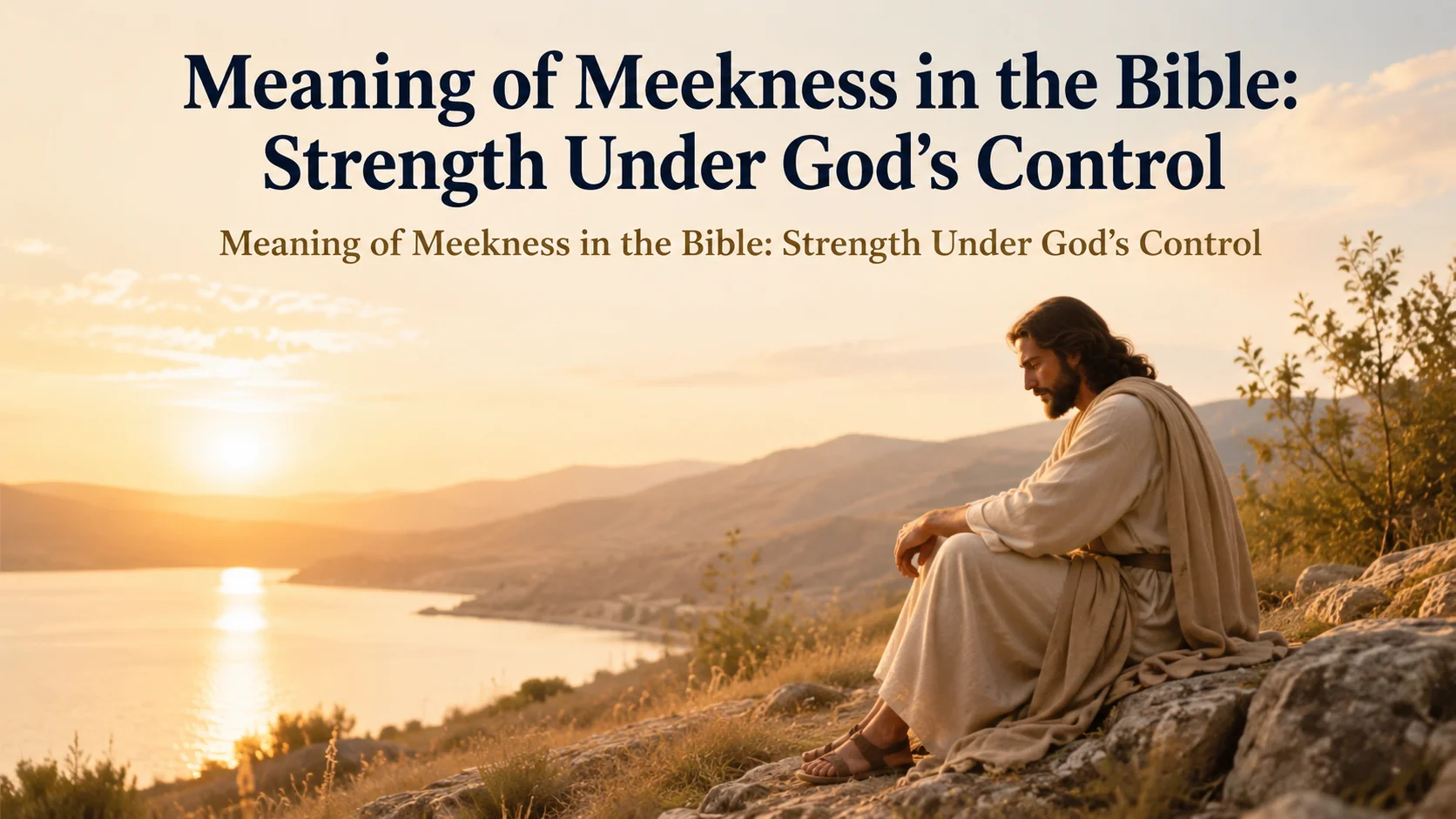
Christ as a Symbol of Meekness
Jesus demonstrated authority while showing compassion. He challenged injustice yet displayed patience and forgiveness.
Because of this, meekness became closely linked with Christian discipleship.
Meaning of Meekness in American Christianity
In the United States, meekness has influenced religious teachings, personal values, and leadership ideals.
A Cultural Perspective
American churches often present meekness as a balance between conviction and humility. It is viewed as a character trait rather than a personality type.
People can be bold and outspoken while still displaying meekness.
Common American Associations
| Context | Meaning in the USA | Common Associations | Notes |
| Church Life | Humble faith | Service and worship | Highly valued virtue |
| Leadership | Controlled authority | Respect and integrity | Often admired |
| Family Life | Patience and kindness | Healthy relationships | Practical application |
| Personal Growth | Emotional maturity | Self-discipline | Modern relevance |
| Community Service | Compassionate action | Helping others | Reflects faith in action |
Spiritual Meaning of Meekness
Many believers see meekness as more than a personality trait. It is often understood as a spiritual condition.
Dependence on God
Meekness reflects trust in God’s wisdom rather than personal pride. It acknowledges human limitations while remaining confident in divine guidance.
Spiritual Lessons
• Surrender without defeat
• Faith during hardship
• Humility before God
• Respect for others
• Inner peace through trust
• Growth in character
Psychological Meaning of Meekness
Beyond religion, meekness has important emotional and psychological associations.
Inner Stability
Modern readers often connect meekness with emotional intelligence. A meek person does not need to dominate every situation.
Instead, they remain composed even when challenged.
Emotional Signals
• Confidence without boasting
• Calmness under pressure
• Thoughtful decision-making
• Resilience during conflict
• Patience with difficult people
• Strong personal boundaries
Cross-Cultural Views on Humility and Gentleness
While biblical meekness is distinctly Christian, similar values appear in many cultures.
Shared Human Ideals
Across civilizations, qualities such as humility, restraint, and compassion have often been respected.
Although interpretations differ, many traditions recognize the value of controlled strength.
Common Themes Worldwide
• Respect for wisdom over pride
• Service before self-interest
• Harmony in relationships
• Moral self-control
• Compassion toward others
• Personal discipline
Read More: Lapis Lazuli Meaning in the Bible: Faith, Holiness & Heaven
Modern Uses of Meekness Symbolism
Today, meekness appears in many modern contexts, even outside religious settings.
Personal Identity
People often reference meekness when discussing character, leadership, and self-improvement.
The concept appeals to those seeking balance between confidence and humility.
Modern Expressions
• Inspirational social media content
• Faith-based artwork
• Personal journals and devotionals
• Leadership training discussions
• Motivational speeches
• Character development programs
Meekness in Art, Literature, and Popular Culture
Art and storytelling have long explored the idea of strength expressed through gentleness.
Literary Symbolism
Many heroes are admired not simply because they are powerful, but because they use power responsibly.
This mirrors the biblical understanding of meekness.
Visual Representations
Artists often symbolize meekness through:
• Gentle posture
• Calm facial expressions
• Open hands
• Soft lighting
• Shepherd imagery
• Peaceful natural settings
Common Misunderstandings About Meekness
Despite its importance, meekness is frequently misunderstood.
Myth: Meekness Means Weakness
This is perhaps the most common misconception. Biblical meekness assumes the presence of strength.
The focus is not on lacking power but on using power wisely.
Myth: Meek People Never Speak Up
Scripture contains many examples of meek individuals who confronted wrongdoing when necessary.
Meekness allows courage and conviction to exist alongside humility.
How the Meaning of Meekness Has Changed Over Time
Like many symbolic concepts, meekness has evolved in public understanding.
Earlier Interpretations
Historically, many believers emphasized obedience and humility when discussing meekness.
These interpretations often focused on spiritual submission.
Contemporary Perspectives
Today, people increasingly view meekness through the lens of emotional intelligence and servant leadership.
This broader understanding helps connect ancient teachings with modern life.
Ongoing Evolution
• Greater focus on character development
• Interest in healthy leadership styles
• Connection to emotional resilience
• Appreciation for self-control
• Renewed study of biblical virtues
• Relevance in a polarized culture
Why Meekness Still Matters Today
Modern society often celebrates visibility, competition, and personal achievement. Meekness offers a different model.
A Countercultural Virtue
The symbolism of meekness reminds people that true strength includes restraint, compassion, and wisdom.
Because of this, many continue to find it meaningful.
Practical Lessons
• Listen before reacting
• Lead without arrogance
• Show courage with kindness
• Practice patience consistently
• Value humility alongside success
• Choose wisdom over impulse
FAQs
What does meekness mean in the Bible?
Meekness means strength guided by humility and trust in God. It reflects self-control rather than weakness.
Is meekness the same as weakness?
No. Biblical meekness assumes a person has strength or authority but chooses to use it wisely and responsibly.
Why did Jesus praise the meek?
Jesus taught that meekness reflects God’s values of humility, faith, and righteous character rather than pride or domination.
Can a strong leader be meek?
Yes. Many people view meekness as a leadership strength because it combines authority with compassion and self-control.
What is the spiritual significance of meekness?
Spiritually, meekness symbolizes surrender to God’s guidance and confidence in divine wisdom rather than personal pride.
How is meekness relevant today?
Meekness remains relevant because it promotes emotional maturity, respectful relationships, and thoughtful leadership in modern society.
Conclusion
The Meaning of Meekness in the Bible: Strength Under God’s Control goes far beyond the idea of being quiet or passive. Its central symbolism is disciplined strength—power guided by humility, wisdom, and faith.From ancient biblical teachings to modern American culture, meekness has remained a respected virtue. It represents the ability to remain calm, compassionate, and faithful even when one has the power to act differently.Ultimately, meekness invites people to rethink what true strength looks like. Instead of domination or pride, it points toward a character shaped by self-control, humility, and trust in something greater than oneself.