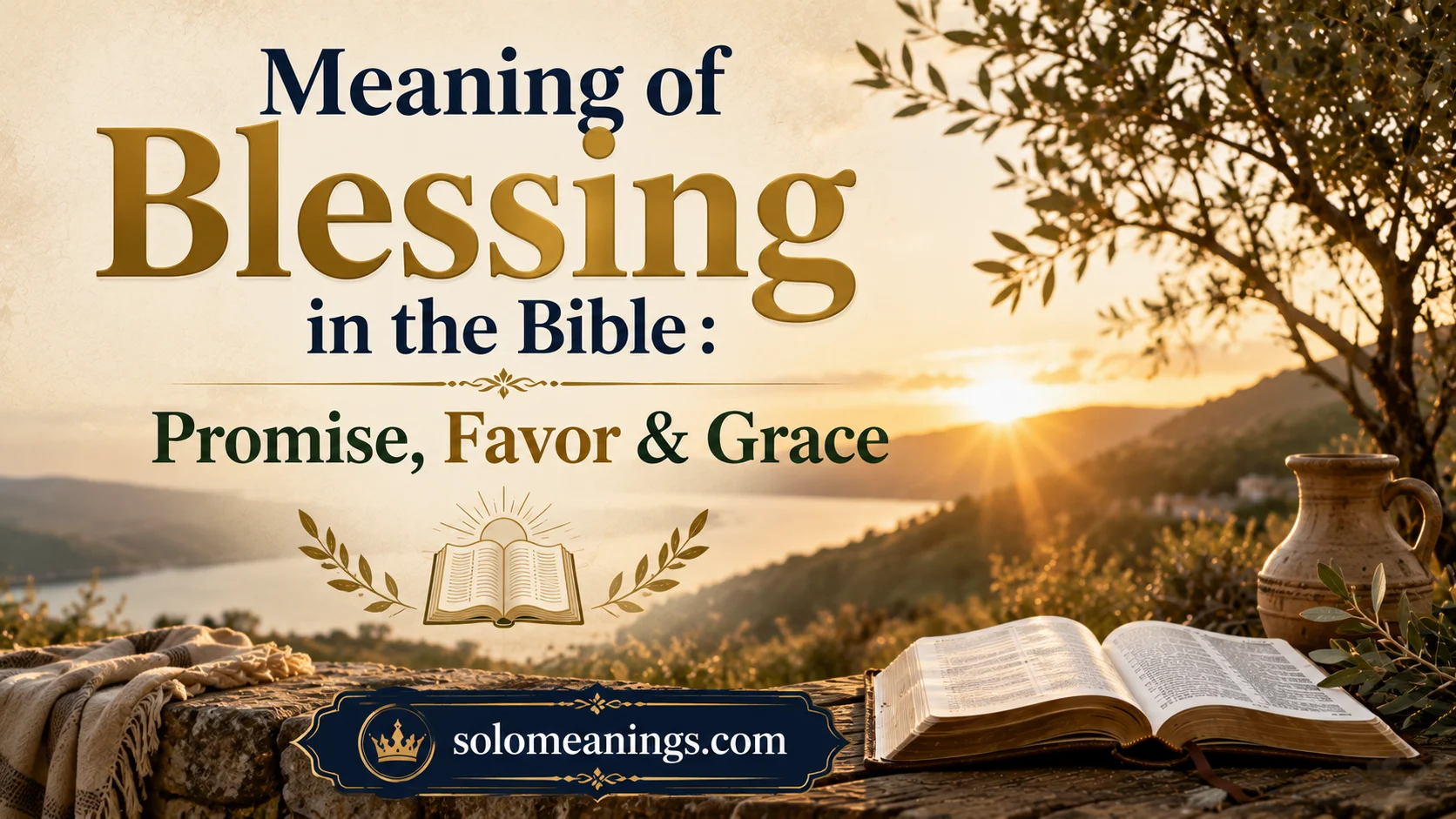
Blessing is one of the most important and meaningful ideas in the Bible. Throughout Scripture, blessings represent divine favor, protection, provision, peace, and spiritual promise. A blessing may appear as spoken words, material provision, guidance, healing, family growth, or inner peace. Because of this, the idea reaches far beyond simple happiness or success.
Today, many Americans connect blessings with gratitude, hope, emotional wellbeing, and spiritual encouragement. The word appears constantly in prayers, worship songs, social media posts, greeting cards, and daily conversations. However, biblical blessings often carry deeper meanings tied to covenant, responsibility, faith, and grace.
Historically, blessings also played major roles in ancient cultures. Families passed blessings across generations, kings blessed nations, and spiritual leaders spoke blessings over communities. The Bible transformed these traditions into powerful symbols of God’s relationship with humanity and His promises throughout history.
Quick Answer
Meaning of Blessing in the Bible : Promise, Favor & Grace symbolizes God’s favor, protection, guidance, and covenant relationship with people. In the United States, blessings often represent gratitude, hope, peace, and emotional encouragement. More broadly, biblical blessings symbolize divine grace, spiritual wellbeing, and the promise of God’s care through every season of life.
TL;DR
• Blessings symbolize God’s favor and protection.
• The Bible links blessings with covenant promises.
• Americans often connect blessings with gratitude and peace.
• Blessings can be spiritual, emotional, or physical.
• The symbol appears in prayers and daily life.
• Modern meanings emphasize grace, hope, and encouragement.
Overview of Blessing in the Bible
Blessings appear throughout both the Old and New Testaments. Sometimes blessings involve material prosperity, health, or protection. Other times, they refer to spiritual peace, wisdom, forgiveness, or closeness with God.
For many modern readers, blessings symbolize the idea that life contains purpose, grace, and divine care even during difficult seasons.
What Does Blessing Mean Biblically?
In biblical language, blessing often means receiving favor, approval, or goodness from God. It may also involve speaking life, hope, or encouragement over another person.
Core Biblical Associations
• Divine favor and grace
• Protection and guidance
• Peace and wellbeing
• Promise and covenant
• Gratitude and hope
• Spiritual abundance
Why the Symbol Feels Powerful
Blessings feel meaningful because they combine emotional comfort with spiritual reassurance. They suggest that life holds value, direction, and care beyond human effort alone.
Historical Background of Biblical Blessings
Blessings were central in ancient societies long before Christianity. Families, rulers, and spiritual leaders often spoke formal blessings over children, marriages, harvests, and nations.
However, the Bible gave blessings deeper covenant and spiritual significance.
Ancient Near Eastern Traditions
In ancient cultures, blessings were believed to shape identity, inheritance, and destiny. Spoken words carried strong spiritual weight.
Because survival depended heavily on crops, family, and protection, blessings often focused on prosperity and peace.
Biblical Development of Blessing Symbolism
The Bible expanded blessings beyond wealth and success. Spiritual peace, justice, wisdom, and faithful living became central parts of biblical blessing.
Historical Themes Connected to Blessings
• Covenant relationships with God
• Generational promises and inheritance
• Divine protection during hardship
• Peace and spiritual fulfillment
• Gratitude for provision and mercy
Blessing as a Symbol of Divine Favor
One of the strongest biblical meanings of blessing involves divine favor. This does not simply mean an easy life. Instead, it reflects God’s guidance, presence, and care.
This understanding remains deeply important in American Christian culture today.
Why Divine Favor Matters
The idea reassures believers that they are not abandoned during struggles. Blessing often means strength and purpose rather than constant comfort.
Symbolic Meanings of Blessing
| Context | Meaning in the USA | Common Associations | Notes |
| Spoken blessing | Encouragement and hope | Prayer and peace | Common in worship |
| Family blessing | Generational connection | Love and support | Often seen in traditions |
| Divine favor | Spiritual guidance | Protection and trust | Central biblical theme |
| Harvest blessing | Provision and abundance | Gratitude and survival | Ancient agricultural roots |
| Blessing others | Kindness and compassion | Positive influence | Modern spiritual practice |
Emotional Meaning of Blessings
• Feeling protected and guided
• Gratitude during difficult seasons
• Emotional peace and reassurance
• Hope for the future
• Spiritual confidence and calmness
Blessings and God’s Promises
Biblical blessings are closely connected to promises and covenant relationships. In Scripture, blessings often remind people that God remains faithful over time.
This promise-centered meaning still resonates strongly with modern readers.
Blessings as Covenant Symbols
In the Bible, blessings frequently confirmed relationships between God and His people. They represented trust, loyalty, and future hope.
Common Promise-Related Themes
• Faithfulness across generations
• Hope during uncertainty
• Guidance through hardship
• Protection and peace
• Restoration after suffering
• Future hope and renewal
Blessing Meaning in American Christian Culture
In the United States, blessing language became deeply woven into daily life. Many Americans use the word casually, but its spiritual roots remain strong.
The concept appears across churches, family traditions, and public expressions of gratitude.
Common American Uses
People often describe family, health, friendships, or opportunities as blessings. The word also appears frequently during holidays and national moments of reflection.
Popular Modern Expressions
• Dinner prayers and family traditions
• Church worship and sermons
• Social media gratitude posts
• Christian journals and devotionals
• Greeting cards and encouragement messages
• Recovery and healing communities
Spiritual Meaning of Blessings
Spiritually, blessings symbolize connection with God, inner peace, and divine grace. Many believers see blessings as reminders of God’s ongoing presence rather than rewards for perfection.
This interpretation emphasizes grace instead of achievement alone.
Inner and Spiritual Blessings
The Bible often presents peace, wisdom, forgiveness, and love as deeper blessings than material success.
Spiritual Associations
• Peace during uncertainty
• Grace despite imperfection
• Emotional healing and renewal
• Wisdom and spiritual maturity
• Compassion and generosity
• Joy rooted in faith
Emotional and Psychological Meaning of Blessing
Psychologically, blessings symbolize gratitude, hope, and emotional grounding. People often feel more resilient when focusing on blessings during hardship.
Because of this, blessing language appears frequently in counseling, recovery, and wellness discussions.
Why Blessings Feel Comforting
The symbol shifts attention toward meaning, connection, and appreciation instead of fear or scarcity.
Common Emotional Associations
• Gratitude and thankfulness
• Emotional reassurance
• Hope during difficult times
• Peace and calmness
• Positive perspective and resilience
Cross-Cultural and Spiritual Meanings
Blessing traditions exist across many religions and cultures. Although interpretations vary, blessings commonly symbolize goodwill, protection, and sacred favor.
Shared Global Themes
Across cultures, blessings often represent connection, harmony, generosity, and divine care.
Common Symbolic Associations
• Protection and safety
• Family unity and support
• Prosperity and wellbeing
• Spiritual favor and peace
• Hope for future generations
Important Differences
Biblical blessings strongly emphasize covenant relationships and grace, while other traditions may focus more on ritual, prosperity, or ancestral protection.
Modern Uses of Blessing Symbolism
Today, blessing symbolism appears far beyond churches. It influences fashion, tattoos, wellness culture, social media, and home decor.
Because the concept feels positive and comforting, it remains highly popular in modern culture.
Blessings in Art and Lifestyle
Designs often include open hands, sunlight, olive branches, doves, or peaceful landscapes to represent blessing and grace.
Common Visual Symbols
• Sunlight breaking through clouds
• Open hands receiving light
• Olive branches and doves
• Flowing water and rivers
• Families gathered together
• Candles symbolizing peace
Social Media and Modern Language
Online, people frequently use “blessed” to describe gratitude, success, relationships, or personal milestones. Sometimes the meaning becomes broader and less religious.
Misunderstandings and Controversies Around Blessings
Blessing symbolism can sometimes be misunderstood or oversimplified. Some interpretations reduce blessings only to wealth or outward success.
However, biblical teachings often focus more deeply on peace, wisdom, faith, and spiritual growth.
Common Misunderstandings
• Equating blessing only with money
• Assuming hardship means lack of blessing
• Treating blessings as guaranteed success
• Ignoring spiritual and emotional meanings
Commercialization of Blessing Language
The word “blessed” appears heavily in branding, merchandise, and lifestyle marketing. While many appreciate its positivity, others feel its spiritual depth can become diluted.
Still, blessing remains one of the Bible’s most hopeful and respected concepts.
How Blessing Symbolism Changed Over Time
The meaning of blessing evolved throughout history. Ancient readers often focused on survival, family prosperity, and protection.
Modern readers frequently emphasize emotional peace, gratitude, and spiritual wellbeing.
Major Historical Shifts
• Ancient focus on survival and inheritance
• Religious focus on covenant and grace
• Medieval focus on sacred rituals
• Modern focus on gratitude and peace
• Digital-era focus on positivity and mindfulness
Why Blessings Still Matter
People continue seeking reassurance, purpose, and hope. Blessing symbolism answers these emotional needs in a simple yet powerful way.
Blessings in Worship and Daily Life
Blessings remain central in prayers, worship services, weddings, funerals, and family traditions. Many people use blessing language to encourage others emotionally and spiritually.
Common Religious and Daily Themes
• Speaking peace over others
• Gratitude for daily provision
• Hope during grief and hardship
• Celebrating milestones and family
• Trusting divine guidance
FAQs
What does blessing mean in the Bible?
In the Bible, blessing symbolizes God’s favor, grace, protection, peace, and covenant relationship with people.
Are blessings only material in the Bible?
No. Many biblical blessings involve peace, wisdom, forgiveness, faith, and spiritual wellbeing rather than wealth alone.
Why are blessings important in Christianity?
Blessings remind believers of God’s presence, care, promises, and grace throughout life’s challenges and victories.
What emotions are connected with blessings?
Blessings commonly symbolize gratitude, hope, comfort, peace, reassurance, and emotional resilience.
How is the word “blessed” used today?
Today, people use “blessed” to express gratitude for relationships, opportunities, healing, or meaningful life experiences.
Can hardship exist alongside blessing?
Yes. Biblical teachings often show people experiencing blessings such as peace, faith, and hope even during suffering.
Conclusion
The message behind Meaning of Blessing in the Bible : Promise, Favor & Grace continues to inspire people because it speaks to both spiritual faith and everyday human experience. In Scripture, blessings symbolize far more than material success. They reflect divine care, peace, hope, guidance, and the enduring promise of God’s presence.
Today, blessings remain deeply meaningful in American culture because people continue searching for reassurance, gratitude, emotional healing, and purpose. Whether expressed through prayer, worship, family traditions, or quiet moments of thankfulness, blessing symbolism continues to connect faith with daily life.
Ultimately, the biblical idea of blessing encourages readers to recognize grace, extend kindness to others, and trust that hope and peace can remain present even during difficult seasons.